Loading...
Serving Windsor, CA and surrounding areas. (707) 687-4808
Gravel turns to mud. Asphalt softens in the heat. A concrete parking lot gives your Windsor property a firm, low-maintenance surface that handles decades of vehicle traffic and Sonoma County winters.
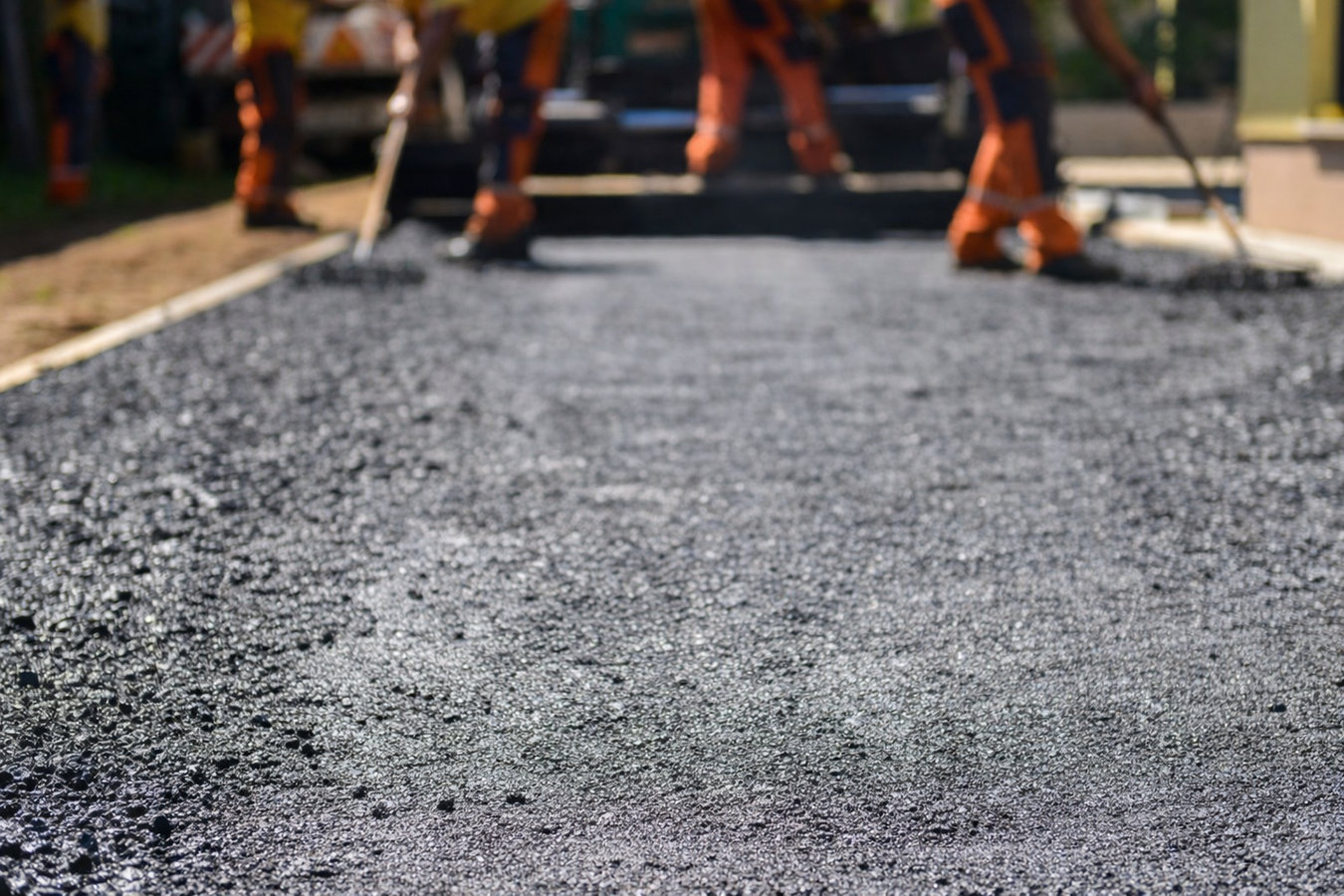
Concrete parking lot building in Windsor involves excavating the ground, compacting a gravel base, setting edge forms, placing steel reinforcement, pouring and finishing the concrete slab, and tooling in control joints - most residential and small commercial lots take one to three days of active work, plus a week before vehicle use.
The part most people do not see is the base. In Windsor, the clay-heavy soils common across Sonoma County expand during winter rain and shrink back in summer. A slab poured directly on poorly prepared ground will crack and heave with that seasonal movement, sometimes within the first few years. Getting the excavation depth and compaction right is not optional here - it is the difference between a surface that lasts 30 years and one that starts failing before you can reseal it.
Many property owners combine a new parking lot with a concrete driveway connection in the same project, reducing mobilization costs and keeping the finished surfaces consistent across the whole area.
Unpaved or deteriorating surfaces create dust in summer, mud in winter, and uneven ground all year. In Windsor, wet-season rains can turn a gravel lot into a rutted mess within days. A concrete surface eliminates the ongoing mess and maintenance.
If your current surface holds water after rain instead of draining away, the grade is wrong or the surface has shifted. In Windsor, that pooling puts steady pressure on nearby structures and creates slip hazards. A properly graded concrete lot channels water away from the start.
Wide cracks, raised sections, or sections that have dropped are signs the base beneath has moved. Sonoma County clay soils are the most common cause. Surface patching does not fix the underlying movement - a proper pour with a prepared base does.
A second vehicle, a recreational vehicle, a boat, or a home-based business bringing customers to your property can all make a dedicated, paved area worthwhile. Concrete handles the weight of larger vehicles without the rutting or softening you see with asphalt in Windsor summers.
Every project starts with site assessment and base preparation - the step that determines how long the surface holds up. We excavate to the required depth, compact the subgrade, lay and compact a gravel base layer sized for the load and the local soil, set forms and reinforcement, and then pour and finish the slab. Control joints are tooled at planned intervals so any movement in the concrete happens where it causes the least damage. We handle permit applications and required inspections from start to finish so you do not have to track that process yourself.
We also handle the work that often connects to a new lot. If your project needs a curb connection, a vehicle entrance from the street, or adjacent flatwork like a walkway, concrete footings for posts or bollards can be poured in the same mobilization. For property owners interested in the appearance of the finished surface, decorative finish options are available that hold up to the same vehicle traffic as a standard broom finish.
Full build on previously unpaved or gravel ground - suits properties adding dedicated parking for the first time.
Tear-out of existing asphalt and full concrete pour - suits properties where the existing surface has failed or needs a longer-lasting upgrade.
Extending an existing paved area to accommodate more vehicles - suits growing households or properties adding ADUs or home businesses.
Correcting surface grade and adding drainage features - suits properties where an existing lot pools water or drains toward a structure.
Windsor sits in Sonoma County's warm inland valley, where summers are long and dry and winters bring most of the year's rain. The best window for a new concrete pour is spring through early fall, when temperatures are moderate and rain is not a risk. Concrete poured in wet or cold conditions without careful precautions can suffer surface damage and early strength loss - both of which shorten the life of the slab significantly. The local clay soils add another layer of complexity: a contractor who does not account for seasonal soil movement when planning the base will produce a surface that starts cracking sooner than it should.
Sonoma County also has stormwater management rules that apply to new paved surfaces above a certain size. Depending on where your property sits and where it drains, you may need to address runoff as part of the permit process. We serve property owners across the area, from the residential streets near Healdsburg to the larger lots in Cloverdale, where rural-edge properties often have more parking area to work with.
We reply within one business day. Tell us the size of the area, what is there now, and your timing. If you have photos of the site, those help us understand the scope before we visit.
We visit your property to measure the area, check the soil and drainage conditions, and discuss your goals. You get a written, itemized estimate - no vague totals - so you can compare bids accurately.
We handle the permit application and wait for approval before starting. Then we excavate, compact the base, set forms and steel, and pour. The active construction phase for a typical residential lot takes one to three days.
After the pour, we walk the finished surface with you, point out the control joints, and explain care instructions. Plan to keep vehicles off for at least five to seven days - full strength takes about a month.
We visit your site, assess the ground conditions, and give you a clear written estimate. No pressure, no surprises.
(707) 687-4808We know how Sonoma County clay behaves through the wet-dry cycle and plan excavation depth and base thickness accordingly. That knowledge is the biggest factor separating a parking lot that lasts from one that starts cracking within a few years of the pour.
New paved surfaces in Windsor come with permit requirements and, in many cases, stormwater rules. We handle the permit application and know what Sonoma County drainage requirements apply to your project - so you do not get caught off-guard after the work is done. American Concrete Pavement Association guidelines inform our placement and jointing practices.
California requires a state contractor's license for this type of work. Ours is current and verifiable through the Contractors State License Board. Hiring a licensed contractor protects you from liability and ensures the work can be permitted and inspected correctly.
We plan pours for conditions that give the concrete the best chance to cure correctly. Dry-season scheduling - spring through early fall - means your finished surface sets properly without the risk of rain damage before the slab has gained its strength.
A concrete parking lot is a long-term investment, and the details that determine how long it lasts are mostly invisible once the job is done. Choosing a contractor who gets those details right from the start is the most cost-effective decision you can make on this project.
Structural footings for posts, walls, and additions built to reach stable soil below Windsor's active clay layer.
Learn MoreNew driveway construction or replacement from excavation through finishing, permitted and built for local soil conditions.
Learn MoreWindsor's dry months fill up fast. Reach out now to lock in your estimate and get on the schedule before the rains arrive.