
Loading...
Serving Windsor, CA and surrounding areas. (707) 687-4808
A bare, crumbling, or uneven floor limits how you can use your garage, patio, or indoor space. We install concrete floors in Windsor built for local clay soils, Sonoma County weather, and the way you actually live.
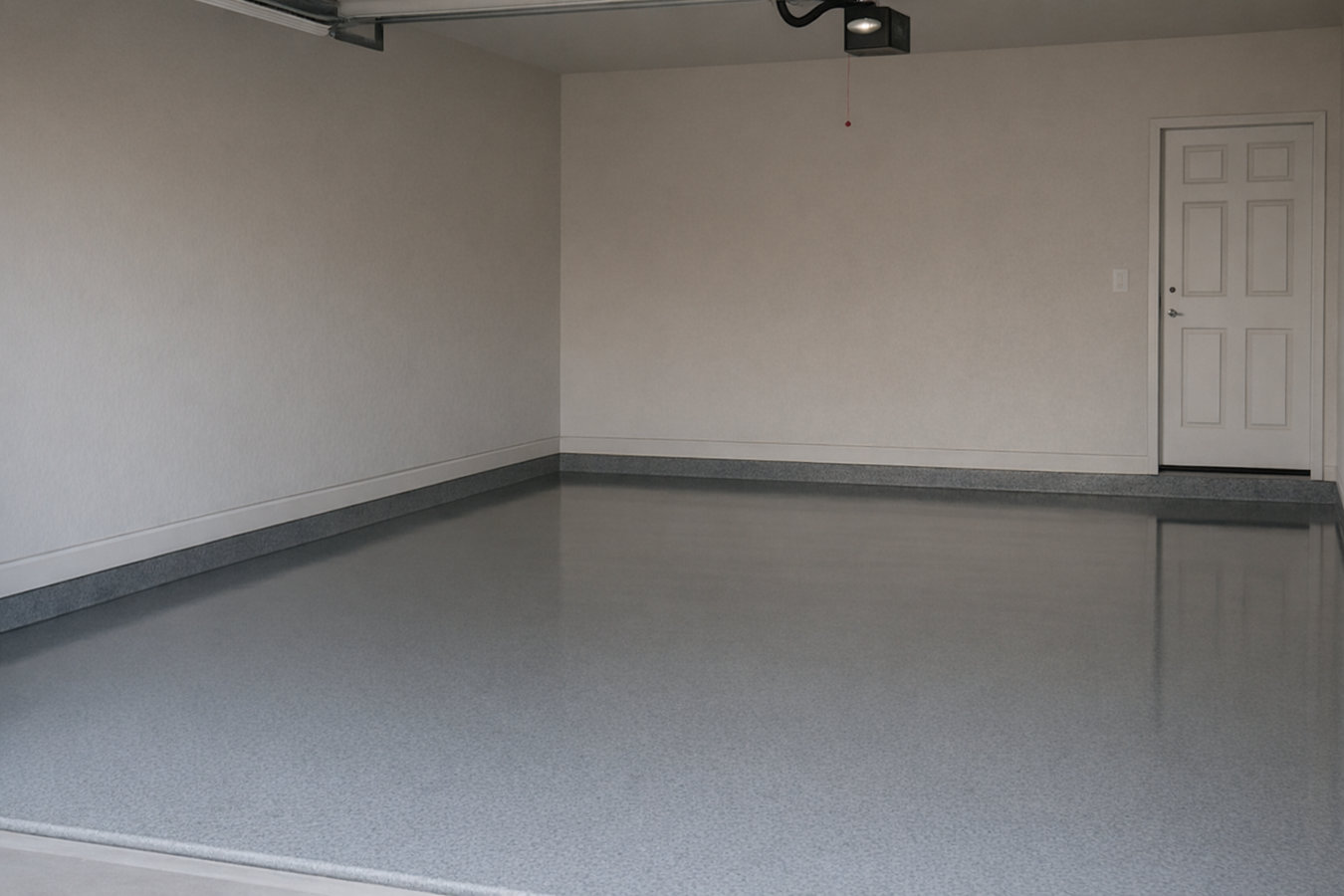
Concrete floor installation in Windsor involves grading and compacting the subgrade, adding a gravel base layer, setting forms, pouring ready-mixed concrete, finishing the surface to your chosen texture, and cutting control joints - most residential projects take one to two days of active work, plus several days of curing before normal use.
The step that separates a floor that lasts from one that cracks within a few years is what happens before the truck arrives. In Windsor, the clay-heavy soils across the Santa Rosa Plain expand when they absorb winter rain and shrink back in dry summers. A floor poured over poorly compacted clay will heave and crack with the seasons. Proper subgrade preparation - thorough compaction, a gravel base layer, and correctly sized control joints - is what keeps a slab flat over time in this part of Sonoma County.
If you are adding an accessory dwelling unit or finishing an outdoor living space, combining your floor with a concrete pool deck or adjacent flatwork in the same mobilization saves on site prep costs and gives you consistent finishes across the whole project.
Cracks that span the full slab width, sections that have lifted, or noticeable unevenness underfoot signal base failure rather than surface wear. Repeated patching without fixing the subgrade is a short-term answer to a long-term problem. Replacement with proper base prep is typically more cost-effective over time.
Sonoma County's wet winters turn bare ground and gravel patios into muddy, unusable areas for months. A concrete floor gives you a clean, level surface you can use from the first dry day of spring - whether it is a garage floor, patio, or outdoor workspace.
Oil, rust, and moisture stains that cleaning and sealing cannot fix, or surface scaling and flaking, typically mean the top layer of the concrete has deteriorated. When the damage is widespread rather than isolated, full replacement is usually the cleaner and cheaper long-term choice.
Accessory dwelling units are increasingly common across Sonoma County, and every new structure needs a proper slab. A correctly installed floor - with the right thickness and subgrade prep for local clay conditions - is a code requirement and saves you from expensive corrections later.
We handle the complete process - subgrade excavation and grading, old concrete removal when needed, base compaction, gravel layer, forming, pour, finishing, control joint cutting, and permit coordination. The finish options range from a standard broom texture for garages and utility areas to stamped, stained, exposed-aggregate, or polished surfaces for patios and interior spaces. Every project gets a written quote with scope, thickness, finish, and permit costs listed clearly before work begins.
For homeowners adding garage space or converting an existing structure, we often pair floor installation with garage floor concrete work in the same visit. Coordinating both in one mobilization keeps the project timeline tighter and ensures a consistent base preparation approach across connected floor areas. According to the American Society of Concrete Contractors, proper subgrade preparation and curing are the two factors most responsible for long-term slab performance.
Full pour over prepared subgrade - suits garages, patios, workshops, ADUs, and any space that needs a proper concrete floor from scratch.
Removal of the existing floor and full repour - the right call when the current slab is cracked, heaved, or too damaged to patch effectively.
Stamped, stained, exposed-aggregate, or polished surfaces - suits patios, interior living areas, and homeowners who want a finished look rather than a utility slab.
Permitted slabs for accessory dwelling units and garage conversions - sized and prepped to code with local inspections coordinated.
Most of Windsor sits on the Santa Rosa Plain, where clay-rich soils behave very differently from the sandy or loamy soils found in other parts of California. Clay expands when it absorbs winter rain and contracts as it dries out through the long Sonoma County summer. That repeated seasonal movement is the dominant cause of cracked and heaved concrete floors in this area - not age, not traffic, not even temperature swings. A floor installed without adequate subgrade compaction and a proper gravel base layer will show movement within a few years. Getting this right at the start is the most important thing a Windsor homeowner can ask about when hiring a concrete contractor.
We work on floors throughout the region, including in Santa Rosa and Rohnert Park, where the same clay-soil conditions apply and the same base preparation standards are needed. Whether it is a garage floor in a 1990s Windsor subdivision or a new ADU slab on the edge of town, the ground conditions are familiar and the approach is the same.
Tell us the space, approximate size, and how you plan to use the floor. We reply within one business day and schedule a site visit - no quote gets sent without looking at the subgrade conditions on your specific property.
We assess the existing surface or ground, discuss finish options, and give you a written estimate listing scope, thickness, finish, timeline, and permit cost. You know what you are getting before committing.
For projects requiring a Town of Windsor permit, we submit the application and manage the process. Site prep includes excavation, old slab removal if needed, and thorough subgrade compaction with a gravel base layer suited to local clay-soil conditions.
Pour day is fast and precise - the crew places, levels, and finishes the slab in one sequence. We apply a curing compound to slow moisture loss and coordinate the building inspection. You can walk on the surface after 24 to 48 hours and drive on it after about a week.
We assess your subgrade before quoting, handle permits, and schedule pours during Windsor's dry season window for the best results.
(707) 687-4808We have worked on slabs across the Santa Rosa Plain and understand how local clay soils behave season to season. Our subgrade process - thorough compaction plus a properly sized gravel base - addresses the primary cause of floor failure in this part of Sonoma County before the first bucket of concrete is poured.
We schedule outdoor pours during Windsor's dry season to avoid rain risk, and we adjust our mix and timing during summer heat waves to maintain workability. That scheduling discipline is the difference between a surface that cures correctly and one that develops problems before you move anything onto it.
We handle the Town of Windsor permit application, plan check, and inspection scheduling as part of the job. A permitted floor is documented in your property records - that matters when you sell, refinance, or add to your home later.
California requires a state contractor's license for concrete work above a modest project value. You can verify license status at cslb.ca.gov before signing anything. We carry general liability and workers' compensation insurance on every project.
A concrete floor that holds up in Windsor's climate is not complicated - it just requires doing the subgrade work properly and not cutting corners on base preparation or curing time. That is exactly how we approach every slab we install here.
Finished concrete surfaces around pool areas - a natural extension of a patio slab project for Windsor homeowners with outdoor living spaces.
Learn MorePurpose-built garage floor installations with the thickness and finish suited to vehicle traffic and Sonoma County's wet-dry soil cycle.
Learn MoreSpring and early summer are the best windows for outdoor pours in Sonoma County - call us today to schedule your site visit before the season fills up.