
Loading...
Serving Windsor, CA and surrounding areas. (707) 687-4808
A deck, addition, or retaining wall is only as solid as what is beneath it. We pour concrete footings in Windsor that reach stable soil, meet California seismic code, and pass inspection the first time.
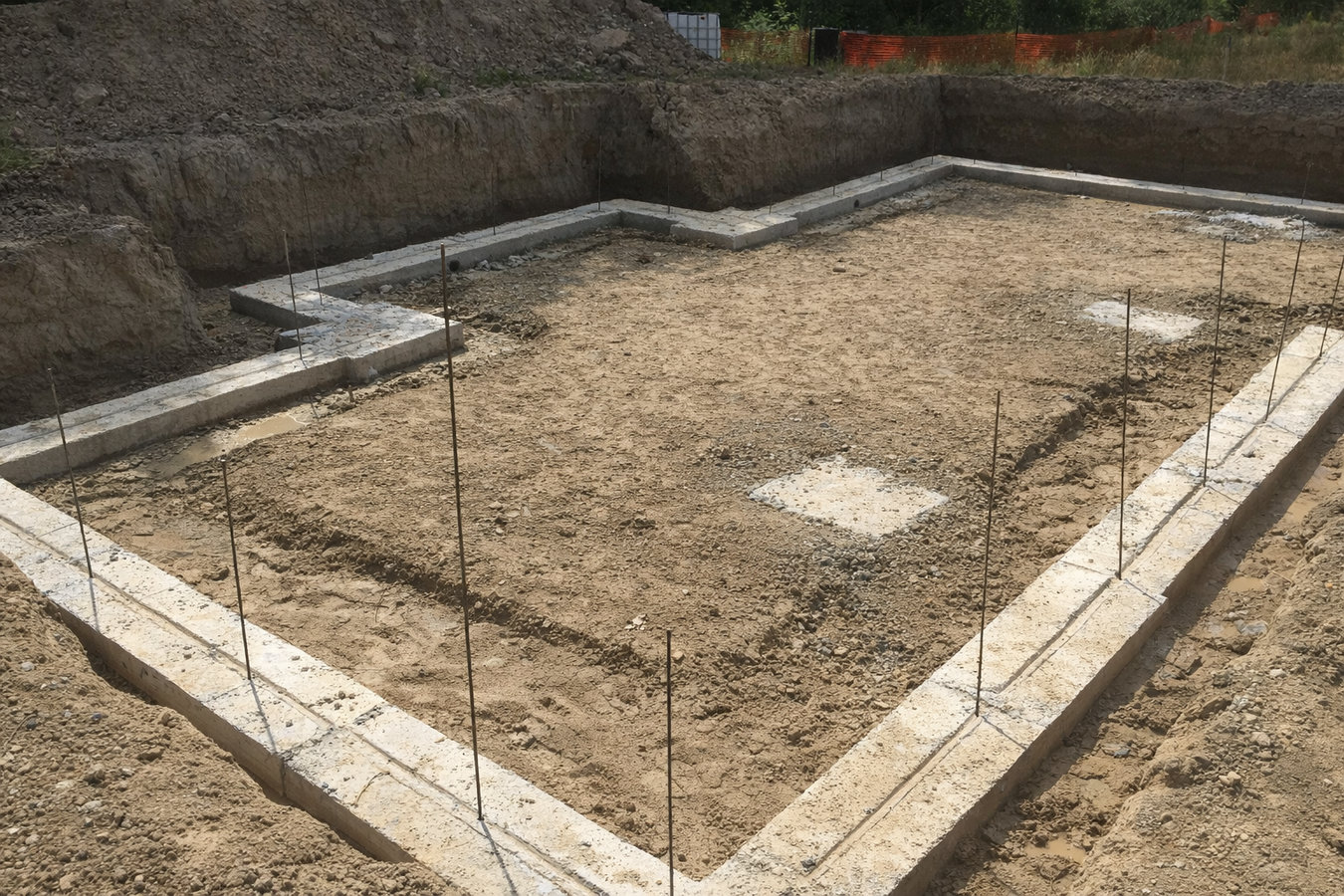
Concrete footings in Windsor involve digging to stable soil below the active clay layer, setting forms and steel reinforcement, passing the required building inspection, and pouring concrete that anchors whatever is built above - most residential footing projects take one to two days of active work once the permit is approved.
Windsor sits on the Santa Rosa Plain, where clay-rich soils are the norm. These soils expand when winter rain arrives and shrink back in summer. A footing that does not reach below that active zone will move with the ground - and when the footing moves, so does your deck, fence, or addition. This is not a theoretical risk. It is the most common cause of leaning fence posts, separating deck connections, and diagonal cracks in walls throughout this part of Sonoma County. Getting the depth right matters more here than in areas where the soil is stable year-round.
If you are planning a new structure that needs footings, combining that work with a slab foundation in the same mobilization can save time and site preparation costs when the two scopes overlap.
A post that has started to lean is usually a footing problem, not a post problem. The original footing may have been too shallow for local soil conditions, or the concrete may have cracked and lost contact with stable ground. Catching this early prevents the movement from spreading to the deck structure above.
Diagonal cracks extending from the corners of doors or windows, or step-pattern cracks in a block wall, often signal footing movement below. In areas with Sonoma County clay soils, this kind of cracking is not unusual in structures built without proper footing depth. It should be evaluated before the damage worsens.
Many older decks and outbuildings in Sonoma County were added without permits and may have inadequate or missing footings. If you are replacing or expanding one of these structures, the building department will require proper footings as part of the new permit - which is actually a benefit for long-term stability.
Any new structure that carries significant weight - a deck, a room addition, a pergola, a retaining wall - needs proper footings before anything goes in the ground. In Windsor, that means footings designed for local soil and California seismic requirements, not a standard depth from a general guide.
We handle the complete footing process - from permit application and utility locates through excavation, forming, steel placement, pre-pour inspection, and the pour itself. Our excavation reaches below the active clay layer into stable native soil, which is the most important factor for footing performance in this part of Sonoma County. We use the rebar sizing and spacing required by California's seismic standards and the approved structural plans for your project, and we welcome the building inspector's visit before the pour rather than trying to avoid it.
For larger projects, footing work often runs alongside or just before foundation raising or other structural concrete. We can coordinate both scopes so the footing schedule does not delay the next phase of your project.
Individual post footings sized and spaced for the deck load - suits new decks, pergolas, and shade structures on residential lots.
Strip footings running beneath a wall or addition - suits room additions, ADUs, and detached structures that need a full foundation perimeter.
Footings designed for the lateral and vertical loads of a retaining wall - suits sloped lots where soil needs to be held back at a grade change.
Deeper-than-standard footings for fence posts in wind-exposed areas - suits perimeter fencing in Sonoma County corridors where wind leverage is a real factor.
The clay soils on the Santa Rosa Plain - which Windsor sits on - have a documented shrink-swell cycle that is one of the most important variables in footing design in this area. Unlike colder climates where freeze-thaw cycles damage concrete, the main threat here is the ground itself moving seasonally beneath the footing. A footing designed for a different region, with a standard depth that does not account for local soil behavior, is often inadequate here. California's seismic design requirements add another layer: footings in Sonoma County must include reinforcement specified for earthquake loading, not just vertical load. Both of those requirements are built into the permit and inspection process, which is why that process exists and why skipping it is a serious mistake.
We work across the region, from residential projects in Sebastopol to larger structural jobs in Petaluma. The same soil and seismic conditions apply throughout most of the Sonoma County region, and our approach to footing depth and reinforcement reflects that.
We reply within one business day. Describe what you are building and where on your property it will go. We need to visit the site before quoting - footing work depends too much on soil conditions and access to price accurately without a look.
We visit to assess the site, check access, and discuss your project. You receive a written estimate that breaks down labor, materials, and any permit fees - so you can compare bids on an equal basis.
We submit the permit application on your behalf. Before any digging, we call for underground utility locates - a free service that flags buried lines. Once the permit is approved, we excavate to the required depth, set forms and rebar, and schedule the pre-pour inspection.
The building inspector confirms the depth and steel before we pour. After the pour, the footing needs several days to cure before the structure above can be built. We advise on the specific wait time based on the mix and the weather at the time of the pour.
We visit your property, assess the soil conditions, and give you a clear price. No guesswork, no surprises on the permit process.
(707) 687-4808We know how deep the active clay layer sits in this area and excavate below it to stable, undisturbed soil. That extra depth is what keeps your deck or addition from shifting with the seasonal ground movement that is normal in Windsor.
Sonoma County is earthquake country, and California's building code requires specific steel reinforcement in footings for seismic loading. American Society of Concrete Contractors practices guide our reinforcement placement - giving you footings that meet code and perform during the ground movement this region sees.
We submit the permit application, coordinate the pre-pour inspection with the building department, and schedule around the inspector's visit. You do not have to track any of that. A contractor who pulls permits is also a contractor who protects your home's value when you eventually sell. Verify our license at CSLB.
Fresh concrete can be damaged by rain before it sets. We schedule pours for dry, mild conditions - and in Windsor that means being thoughtful about the wet season from November through March. Getting your project on the calendar early in the year is the best way to hit a dry-season pour window.
A footing is permanent - once poured and buried, it cannot be changed without demolishing what sits on top of it. The investment in getting it right the first time pays off every year the structure above it stays level and intact.
Lifting and releveling an existing foundation to correct settling or prepare for structural repairs - often the next step after a footing assessment.
Learn MoreFull monolithic slab pours for new structures, built on properly prepared ground for Windsor's clay soil conditions.
Learn MorePermit timelines add weeks before digging starts - reach out today to get the process moving before your construction window closes.